
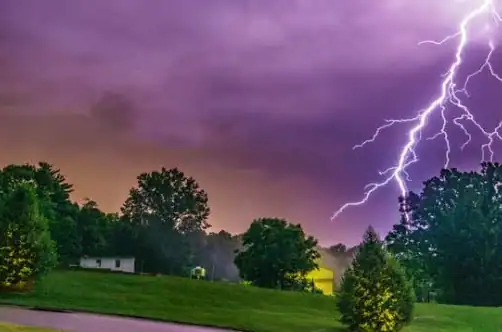

When severe summer weather rolls across the Nashoba Valley, dark clouds and heavy rain can arrive in a matter of minutes. Homeowners in Littleton, Westford, Concord, Acton, and Chelmsford frequently watch power lines sway as lightning flashes across the evening sky. While most people naturally focus on fallen tree limbs or basement flooding, sudden weather events bring serious risks to your residential electrical system. Understanding electrical hazards during summer storms helps protect your property, your valuable electronics, and your family from unexpected danger.
At Nashoba Air & Boilerworks, our licensed electricians assist local residents in preparing their homes for seasonal weather extremes. High winds and sudden lightning strikes can compromise service panels, damage wiring, and destroy expensive home appliances. Knowing what happens inside your system when a storm hits is the first step toward lasting safety. This guide covers immediate precautions to take during severe weather, the true danger of electrical grid surges, and how modern backup power systems keep critical appliances running safely.
Immediate Actions to Take During Active Summer Weather
When dark clouds roll in and thunder begins to rumble, taking immediate action reduces the risk of home electrical damage. Lightning does not need to strike your roof directly to cause massive disruption. A strike on nearby power distribution infrastructure can send high voltage traveling down utility lines, entering your service panel, and reaching every connected outlet. Adopting proactive habits during active weather shelters your sensitive electronics and minimizes physical hazards.
Homeowners can protect their household infrastructure during active weather by following key protective steps:
- Unplug sensitive micro-electronics, computers, and home entertainment devices before severe weather strikes your neighborhood directly.
- Avoid using corded electronics or touch-sensitive appliances while lightning is actively occurring in your immediate area.
- Stay clear of indoor plumbing fixtures, sinks, and showers, as conductive copper pipes can transport electrical current through the structure.
- Keep away from exterior walls where structural wiring or outdoor lighting runs directly adjacent to living spaces.
- Maintain a strict distance of at least thirty feet from any downed utility lines on your property or local roadways.
Managing electrical hazards during summer storms requires staying alert to rapidly changing weather conditions. Remaining clear of downed lines is vital after severe windstorms pass through local neighborhoods. Fallen branches can hide energized conductors under leaves or debris, creating unseen ground voltage. If you notice sagging overhead cables or sparking equipment near your driveway, notify local utility emergency crews immediately and keep children and pets indoors.
Surge Protection: Shielding Your Home from Electrical Hazards During Summer Storms
Many homeowners assume that electrical surges occur only during active lightning strikes. The most damaging voltage spikes often happen when electric utility providers restore power following a major blackout. When grid connections reconnect, a massive initial surge of electricity rushes through regional distribution lines to supply thousands of homes simultaneously. This rapid change in line potential creates a sudden voltage spike that damages delicate circuit boards in modern home appliances.
Point-of-use power strips offer localized protection for small devices like desktop computers or phone chargers. Simple outlet strips lack the physical surge suppression capacity to protect major mechanical systems, such as central A/C units, heat pumps, boilers, and refrigerator compressors. High-voltage spikes bypass basic outlet strips completely, arc across internal contacts, and destroy sensitive microprocessor controls. Repairing or replacing a heat pump control board damaged by grid switching can lead to substantial repair expenses and leave your household without climate control during peak summer humidity.
Installing dedicated home surge protection at your main breaker panel provides comprehensive coverage for every circuit in your house. Whole-home surge protectors mount directly to the electrical panel, acting as a high-capacity gateway for incoming utility power. When a dangerous voltage spike hits the service panel, internal metal oxide varistors shunt excess voltage into your home grounding system in nanoseconds. This action intercepts high-energy grid transients before they ever enter branch circuits or reach your heating, cooling, and kitchen equipment. Our licensed team at Nashoba Air & Boilerworks evaluates your service panel capacity and grounds your system safely to handle regional summer storm threats.
Backup Power Systems: Portable vs. Standby Generators
When severe summer storms knock out municipal power grids for extended periods, backup electricity keeps essential home infrastructure running. Homeowners generally choose between portable fuel-powered units and permanently installed automatic standby systems. Selecting the proper equipment requires balancing your family’s electrical load demands with strict operational safety standards.
Portable generators provide quick emergency power for a small handful of plugged-in items, such as lamps or small food storage units. Operating a portable generator safely requires strict adherence to ventilation standards to eliminate carbon monoxide hazards. Portable units must run outdoors at least twenty feet away from open windows, doors, and attached garages. Connecting a portable unit directly into a wall outlet without a certified transfer switch creates an illegal and dangerous condition known as backfeeding. Backfeeding sends high-voltage electricity backward down local utility lines, creating lethal electrocution hazards for utility linemen working to repair local power grids.
For complete peace of mind, installing a permanent home generator delivers automatic, reliable protection during sudden blackouts. Standby units connect directly to your fuel supply and utilize an automatic transfer switch that isolates your electrical panel from the utility grid within seconds of an outage. Sizing a backup power system involves deciding between essential circuit coverage and whole-home capacity. Essential circuit configurations power critical home items like sump pumps, refrigeration, medical devices, and heating or A/C controls. Whole-home generators provide larger alternator capacities that allow families to operate central A/C systems, electric water heaters, and cooking appliances without disruption. Nashoba Air & Boilerworks conducts thorough load evaluations to help local homeowners choose the exact generator capacity needed for their home infrastructure.
Long-Term Electrical Safety for Your Home
Preparing your electrical infrastructure before dark storm clouds arrive on the horizon protects your investment and helps ensure family safety. Addressing electrical hazards during summer storms requires combining smart everyday habits, whole-home surge suppression, and dependable backup power systems. By taking proactive measures today, you protect sensitive electronic equipment and maintain household comfort through unpredictable weather.
Nashoba Air & Boilerworks has served homeowners across Massachusetts and Southern New Hampshire with trusted heating, cooling, plumbing, and electrical solutions since 2002. Our team of licensed electricians brings extensive field experience to every inspection, surge protector installation, and backup generator assessment. If you want to evaluate your electrical panel or discuss whole-home protection options, please contact us to schedule a consultation with our local experts. You can also explore our main blog to learn more practical tips for maintaining safe, energy-efficient home comfort systems throughout the year.
Schedule Your Electrical Safety Assessment
Do not wait for severe weather to expose vulnerabilities in your electrical panel. Make sure your home and electronics are fully protected against power surges and unexpected blackouts. The licensed electricians at Nashoba Air & Boilerworks are ready to inspect your service panel, install whole-home surge suppression, or design a custom backup generator solution for your property.