
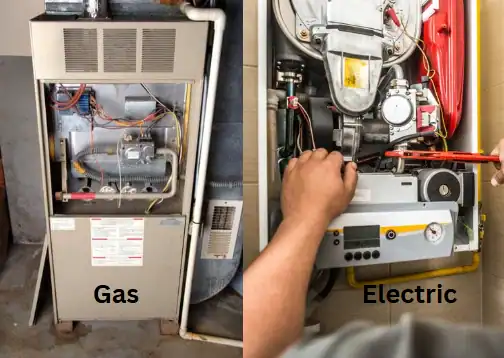

Choosing the right furnace for your home is a big decision that impacts your comfort, energy efficiency, and long-term costs. At Nashoba Air & BoilerWorks, we help homeowners navigate the options, and one of the most common questions we hear is: Should I get a gas or electric furnace? Both have advantages and considerations, so let’s explore their key differences.
How Do Gas and Electric Furnaces Work?
Gas furnaces generate heat by burning natural gas or propane. When the thermostat signals a need for heat, the gas ignites, warming the air, which is then circulated through your home via ductwork.
Electric furnaces, on the other hand, use heating elements to produce warmth, much like a large space heater. Instead of burning fuel, they rely entirely on electricity to heat the air before distributing it through the ducts.
Key Differences Between Gas and Electric Furnaces
Cost Considerations
The upfront cost of an electric furnace is generally lower than that of a gas furnace. Installation is simpler since it doesn’t require gas lines or venting. However, operating costs tend to be higher because electricity is often more expensive than natural gas. Gas furnaces cost more to install but can save you money in the long run if gas prices are lower in your area.
Efficiency and Performance
Gas furnaces typically heat homes more quickly than electric models, making them well-suited for colder climates. While high-efficiency gas furnaces can reach up to 98% efficiency, some heat is always lost through venting. Electric furnaces, on the other hand, are 100% efficient because they convert all the electricity they use into heat.
Lifespan and Maintenance
Electric furnaces tend to last longer—around 20 to 30 years—compared to gas furnaces, which typically last 15 to 20 years. They also require less maintenance since they don’t have combustion components that need regular servicing. Gas furnaces should be inspected annually to ensure they’re operating safely and efficiently, as issues like gas leaks or carbon monoxide buildup can pose risks.
Environmental Impact
Gas furnaces produce carbon emissions due to burning fossil fuels, while electric furnaces offer a cleaner alternative, especially if powered by renewable energy. If you’re looking for a more eco-friendly heating solution, an electric furnace may be the better choice.
Which Furnace Is Best for Your Home?
If your home has access to natural gas and you’re looking for lower long-term energy costs, a gas furnace may be the way to go. It’s ideal for homes in colder climates where quick and powerful heating is needed.
On the other hand, if you prefer a lower initial investment, minimal maintenance, and a cleaner energy option, an electric furnace could be the right choice. It’s also a great alternative for homes without a gas connection.
Get Expert Guidance from Nashoba Air & BoilerWorks
Still unsure which furnace is right for your home? The experts at Nashoba Air & BoilerWorks can assess your home’s heating needs and recommend the best system for your comfort and budget.
Stay warm and comfortable all winter long with the perfect furnace for your home!